
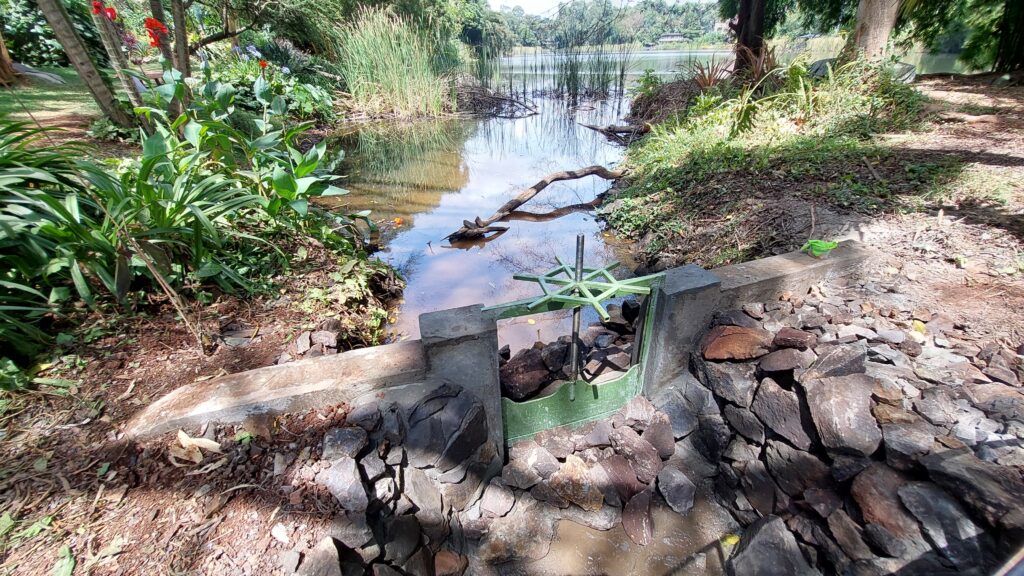
Fig 1: Sluice gate in place
After a long wait - almost a year - the water in the lake stopped flowing during the ongoing drought (Feb 2026) and we were able to install the gate that Musa Butt built. All rebar is basaltic not steel (D12) as it will be in wet conditions nearly all the time. Steel rebar has only been used in the rebar cage rings (D8). The rebar is 12mm thick spaced max 4 inches (100mm) apart. Rings are max 12" (300mm) apart. The columns holding the gate are on concrete pedestals sitting on the bedrock of the lake. The pedestals are cylinders 18 inch (~460mm)  across and 24 inch (~600mm) deep. The rebar goes right through to the bedrock and is tied into the rebar that makes the walls you see in the pictures.  Musa welded tie-in pieces into the gate sides and those are well embedded in the concrete columns. The walls are embedded 3 ft (~1000mm) into the river sides which we had built up with 63 lorries of stone when we moved into Nyari 30 years ago in 1995. We have once more reinforced the lake walls leading to the sluice gate and past the gate into the outlet stream. The sluice retainer is not going anywhere except in a full uncontrollable flood that takes out the entire lake wall! All concrete was made with 1" ballast, washed sand and waterproofer additive added per manufacturer specs. The concrete was vibrated into the forms and is completely free of entrapped air voids.

We have cleaned up the outlet river base (to bedrock) and the side walls (pitched blue stone) to speed up flow to Amin Premji's boundary with us (see pictures below).

Our concrete works costs have come to just over KSh. 36,000/-. I don't know what Musa Butt spent in crafting the gate in very strong and heavy steel and including a mechanism to raise and lower it. I'd like to thank Musa and the Butt family for their efforts and apologize for taking so long to install the gate but I had to wait for the water levels to drop to the point where I could take on the concrete works. Now this is done, the concrete is one week into it's curing period (being watered 4 times daily) and should attain full strength within another 21 days. Best machine learning weather forecasts indicate no rain at all for the next 3 to 4 weeks when the gate retaining wall should have attained 4,000 to 5000 psi compressive strength.

Currently there is no water flowing in the outlet as the lake levels are too low for that. Next rainy season we will be able to raise the lake level to save as much water as possible while at the same time ensuring that the level is held below the lake wall maximum outlet height. We have studied the lake for 30 years now and the atmospheric rivers phenomenon that we all underwent in October of 2022 did not risk the lake wall when we had the old stone-based system. This new one is infinitely more controllable so we're confident we can handle another extreme rain event. Nonetheless we went ahead and used a laser level to build in a safety mechanism in the concrete wall holding the gate which we built 6 inches (150mm) lower than the lake wall so there's no risk of the water ever breaching the retention wall should we be unable or unavailable to lower the gate to increase outlet flow.
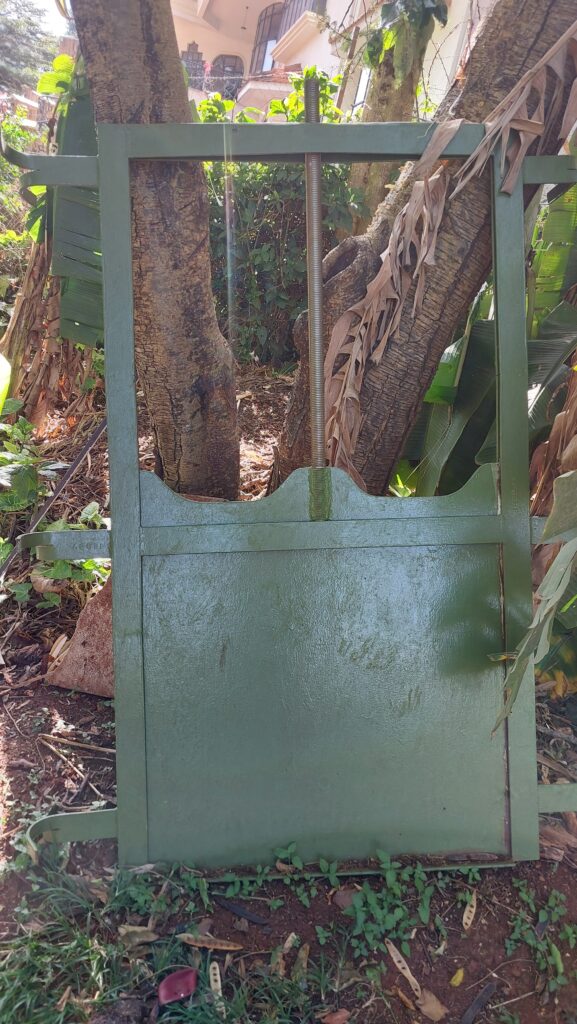
Fig 2: The gate that Musa built
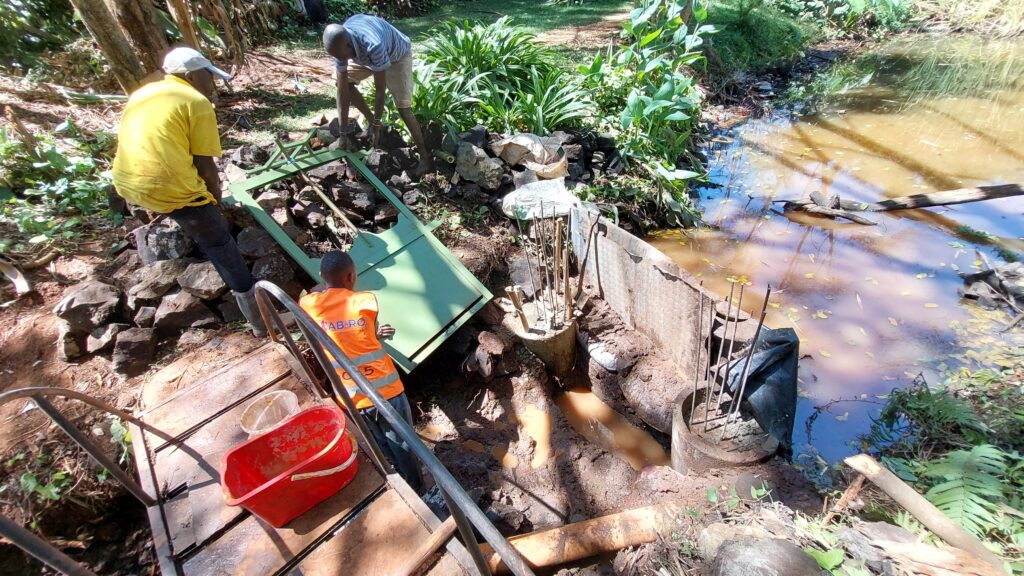
Fig 3: Gate fitting into the bedrock and positioning for retaining columns
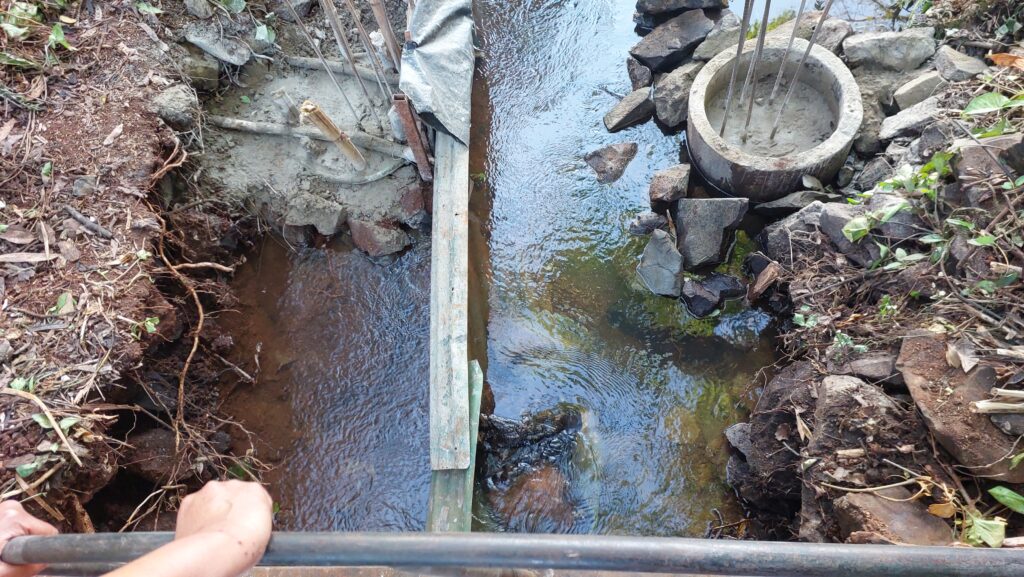
Fig 4: Concrete pedestals are on lake bedrock
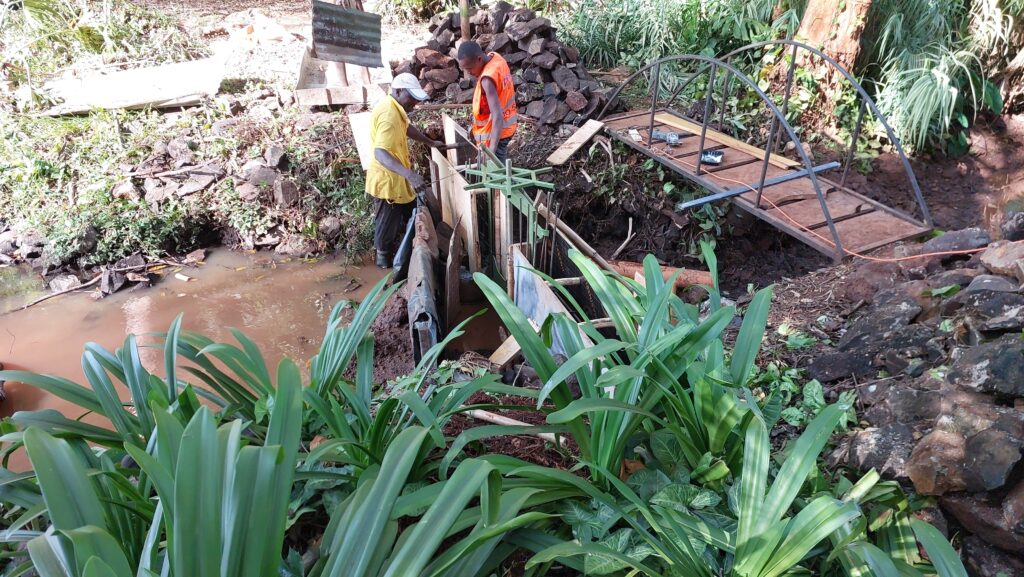
Fig 5: Formwork
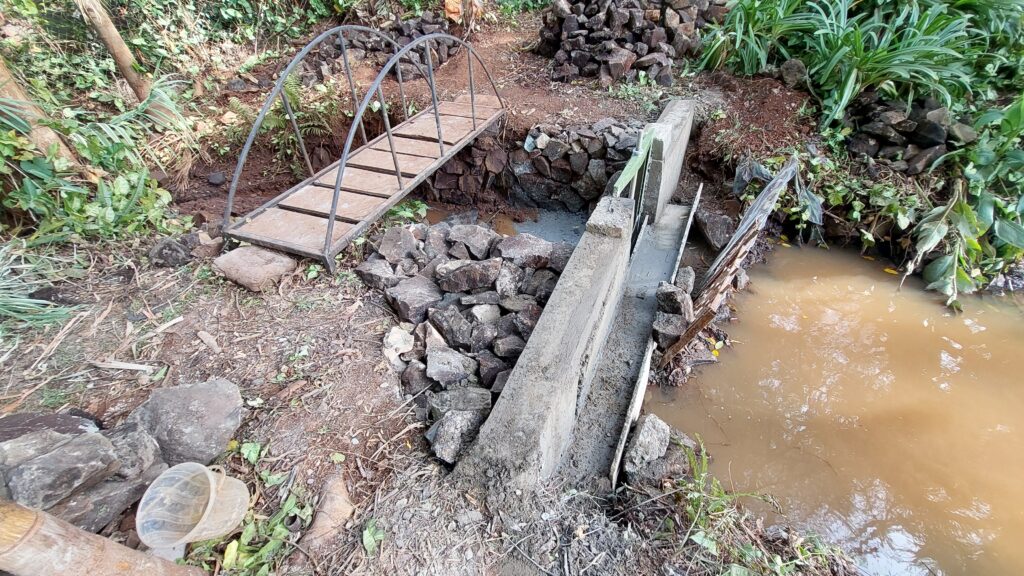
Fig 6: Additional baffle as a reinforced concrete beam to hold water head pressure when water levels are high
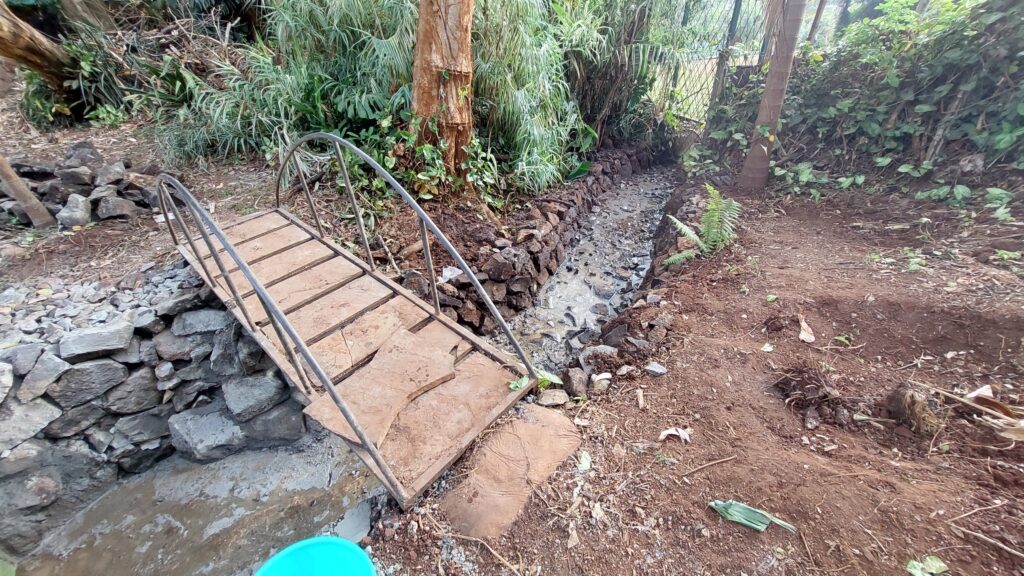
Fig 7: The outlet stream
Video 1: Ready to cast
Video 2: Completed sluice gate installation